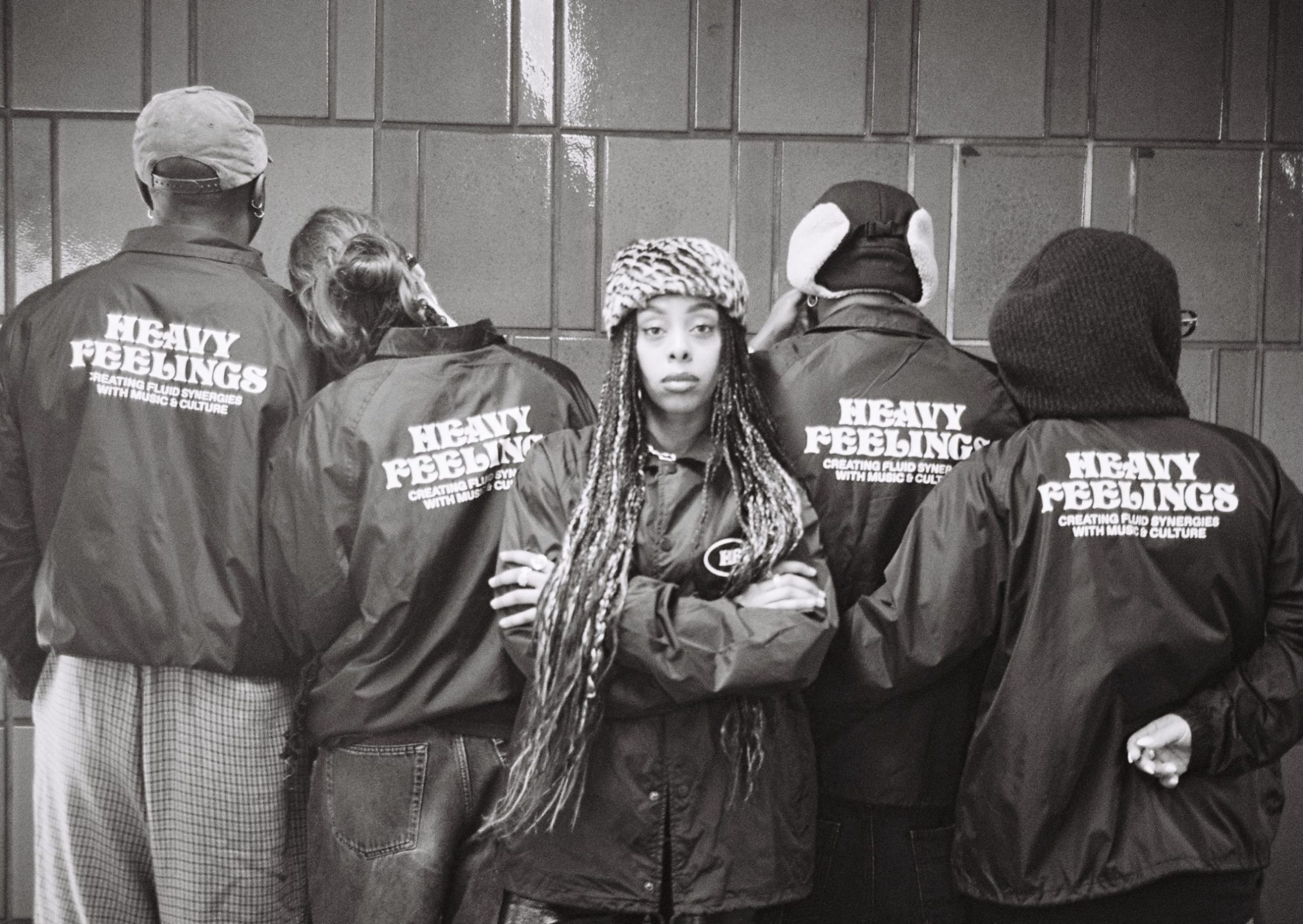
Heavy Feelings operates as a long-term cultural practice situated at the intersection of music, visual language, curation, and collective organization. It emerges within a contemporary creative industry shaped by economic pressure, platform dependency, and accelerated modes of visibility, where performance, self-branding, and constant output increasingly outweigh depth, process, and artistic integrity.
In recent years, cultural production has been profoundly altered by digital infrastructures. Algorithms reward frequency over continuity, visibility over substance, and personality as performance rather than lived identity. Within this environment, artists and cultural work are often compelled to reproduce themselves endlessly, adapting work to formats optimized for short-term attention rather than substance. Quality, context, and origin risk becoming secondary to circulation.
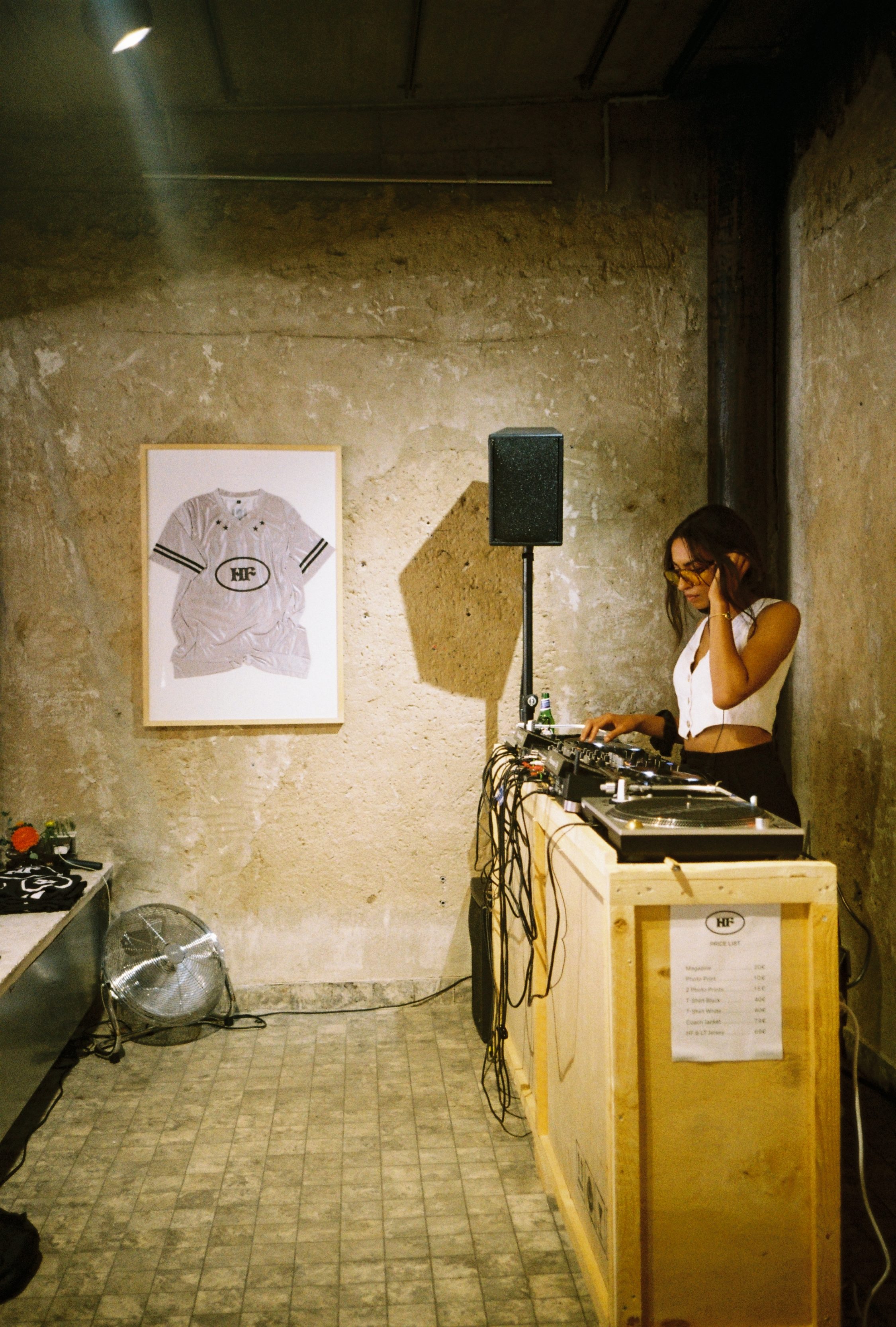
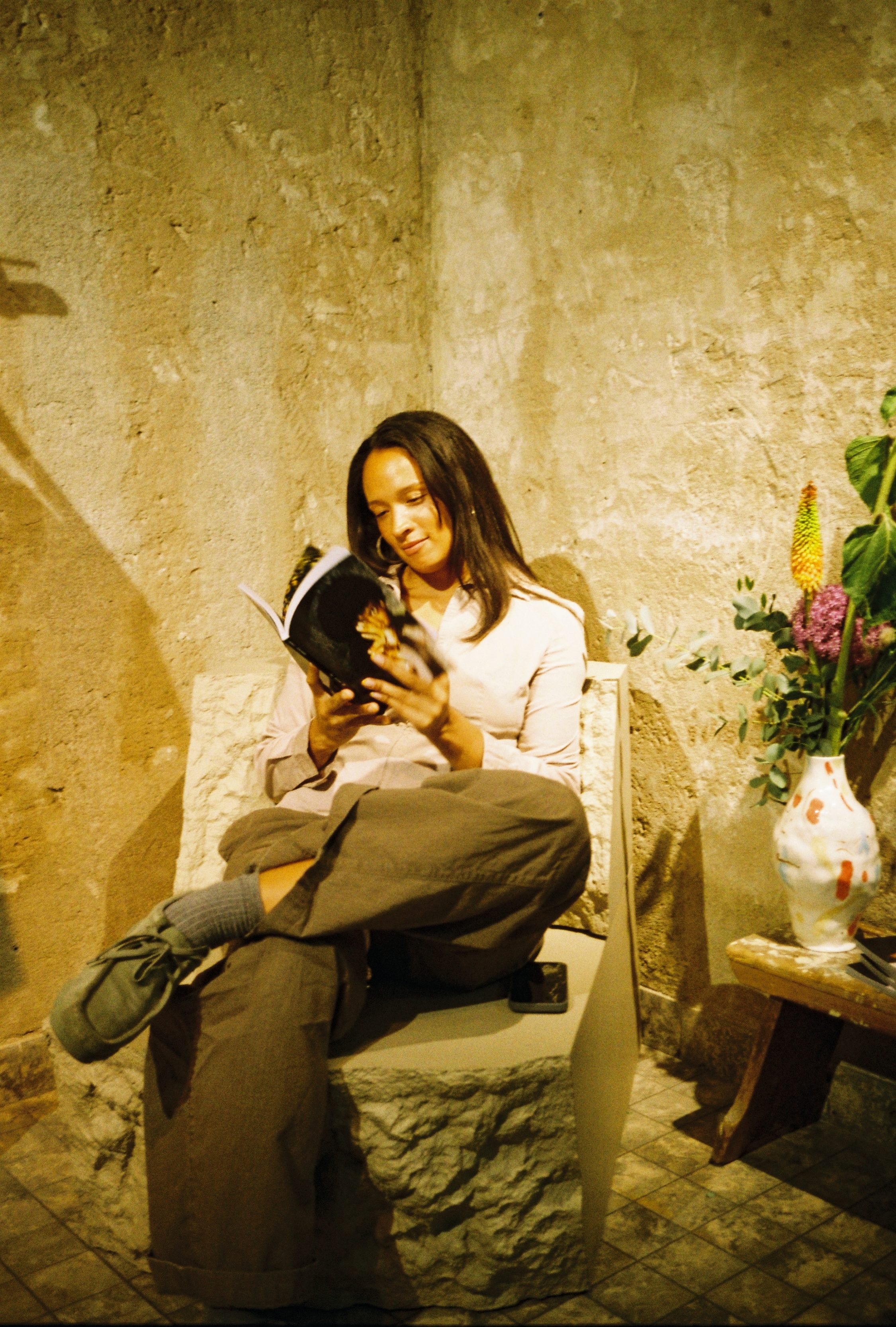
What happens to artistic identity when visibility becomes the primary currency? What forms of culture with value become possible?
Historically, periods of structural imbalance have generated new cultural formations. When dominant institutions and markets fail to sustain meaningful artistic development, artists build parallel systems grounded in self-determination, shared authorship, and long-term commitment. These formations are not unified by their method and identity. Heavy Feelings situates itself within this lineage, understanding culture as something that must be actively constructed and protected when existing frameworks prioritize extraction and quantity.
Central to this practice is an engagement with the histories of Black music and the cultural knowledge embedded within it. Jazz, soul, funk, house, techno, and hip-hop are approached not as genres, but as social and aesthetic systems developed under conditions of marginalization. These forms carried collective memory, political awareness, and spiritual depth while shaping the foundations of contemporary global culture. As Nina Simone articulated, “An artist’s duty is to reflect the times.” Without the contributions of Black artists and other marginalized communities, the cultural languages that underpin today’s creative industries would be fundamentally hollow.
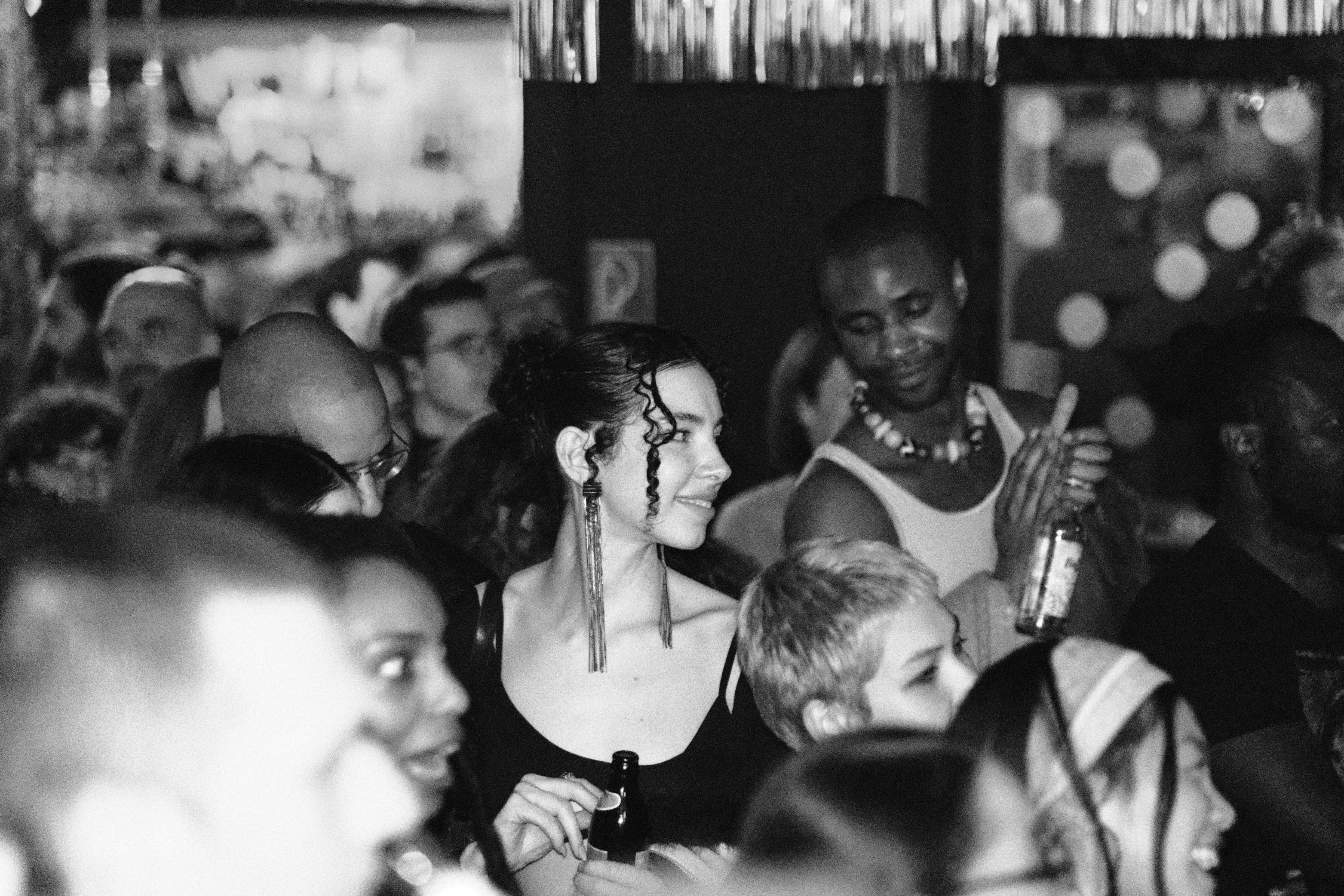
How do we carry these histories responsibly into the present? What does it mean to listen as a collective act today?
Heavy Feelings treats this heritage as structural rather than referential. It informs how sound is curated as a communal experience, how rhythm and repetition operate as connective forces, and how listening becomes an active, shared responsibility. The artists and creatives involved extend these histories into the present with awareness of their social, cultural, and ethical weight.
As a curator, designer, and vinyl selector, I understand Heavy Feelings as a research practice shaped by a clear curatorial methodology. Identity is treated as something that emerges through consistency, participation, and shared authorship. Programming, visual direction, spatial design, and collaboration operate as one interconnected system.
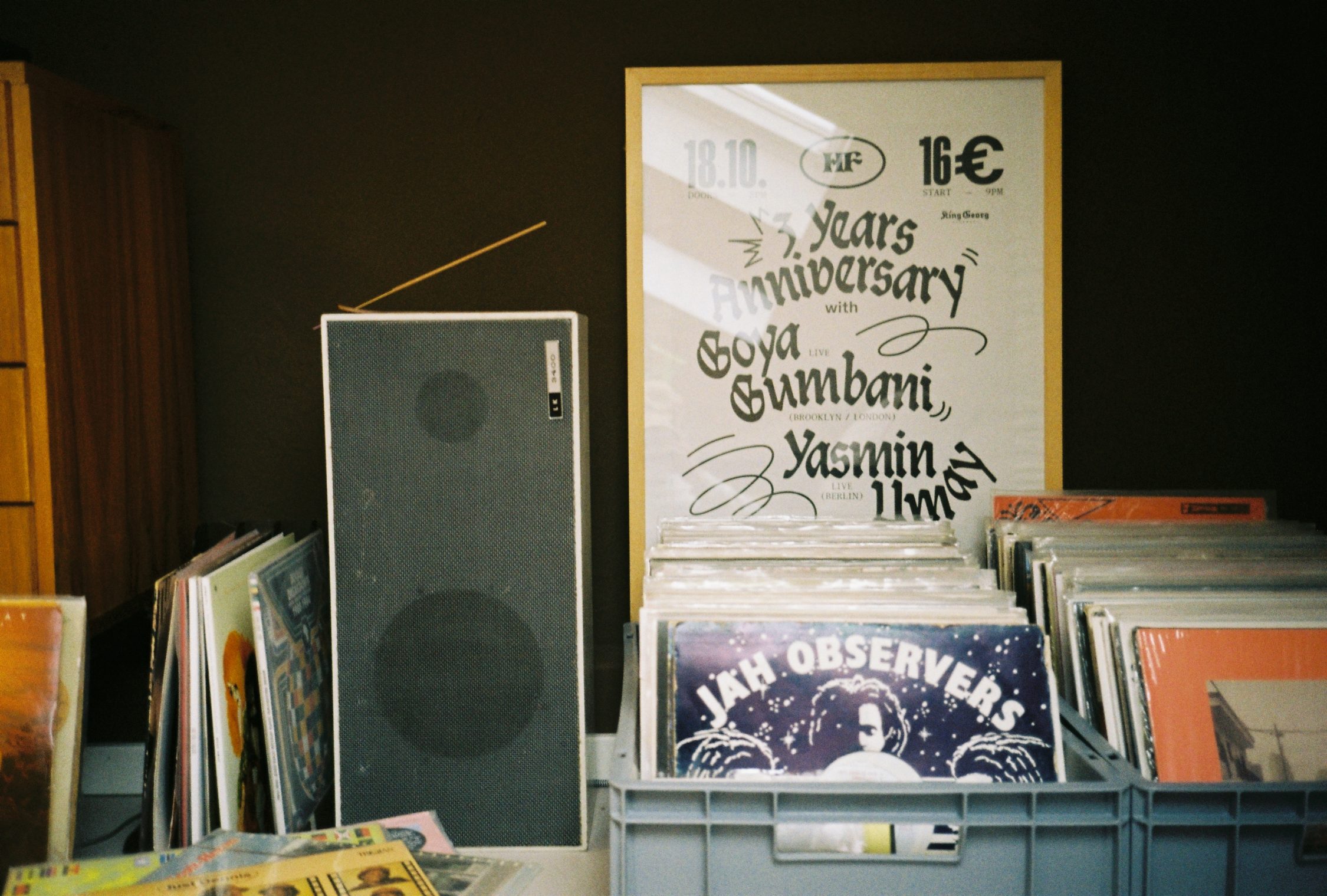
The act of selecting and curating music plays a central role within this methodology. Working primarily with vinyl, analogue formats become tools for storytelling and education — a way of moving across genres and eras, connecting different musical histories, and creating continuity between past and present.
Records are brought into dialogue with one another to highlight music as a living archive.
This approach allows different genres to coexist beyond rigid categorization. Jazz, soul, house, techno, hip-hop and adjacent forms are not positioned through hierarchy or novelty, but through their lasting quality, cultural context, and the personalities behind the recordings. Selection becomes a practice of listening, research, and translation — shaping how audiences encounter music and how musical knowledge is shared across generations.
Artists are engaged for the clarity of their voice, their awareness of what they represent, and their ability to shape sound and aesthetics within a wider creative landscape.



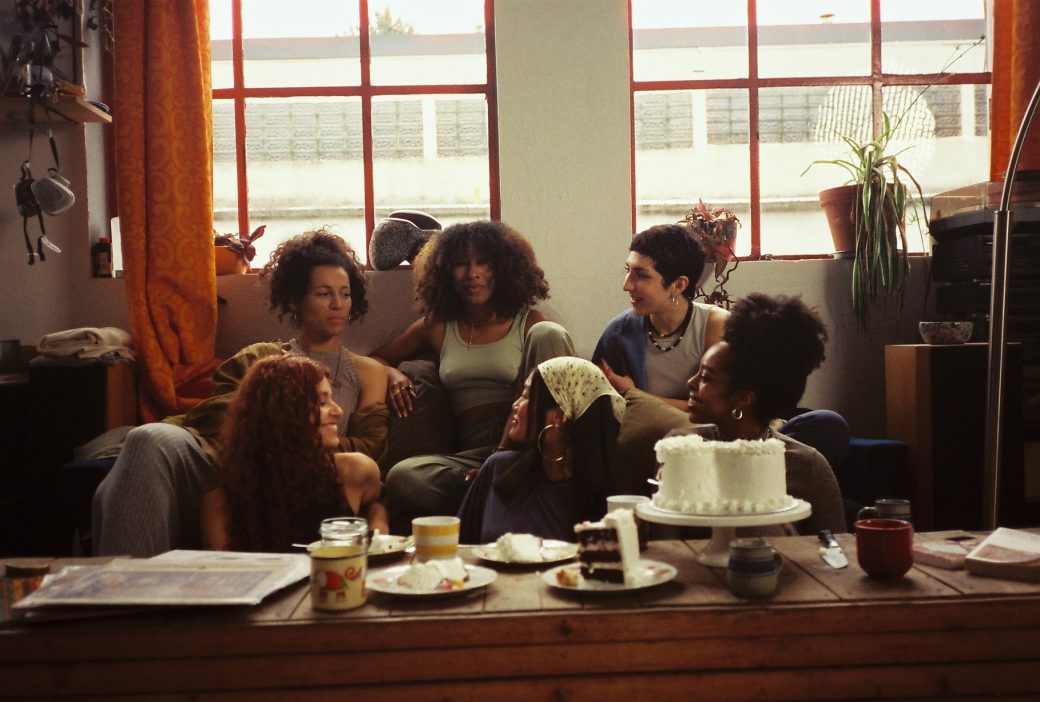


»Community is built through continuity and active participation.«
Participation plays a formative role within this framework. Audiences, collaborators, and contributors are understood as active agents shaping atmosphere, direction, and memory. Through repeated encounters, a shared visual and sonic language develops, not as a fixed aesthetic, but as a living structure shaped by those who remain present.
Entry points such as open calls function as curatorial thresholds. They identify talent, situate it within a defined context, and establish pathways for artistic development through long-term collaboration. These processes counter extractive models of exposure by prioritizing growth, continuity, and responsibility over instant recognition.
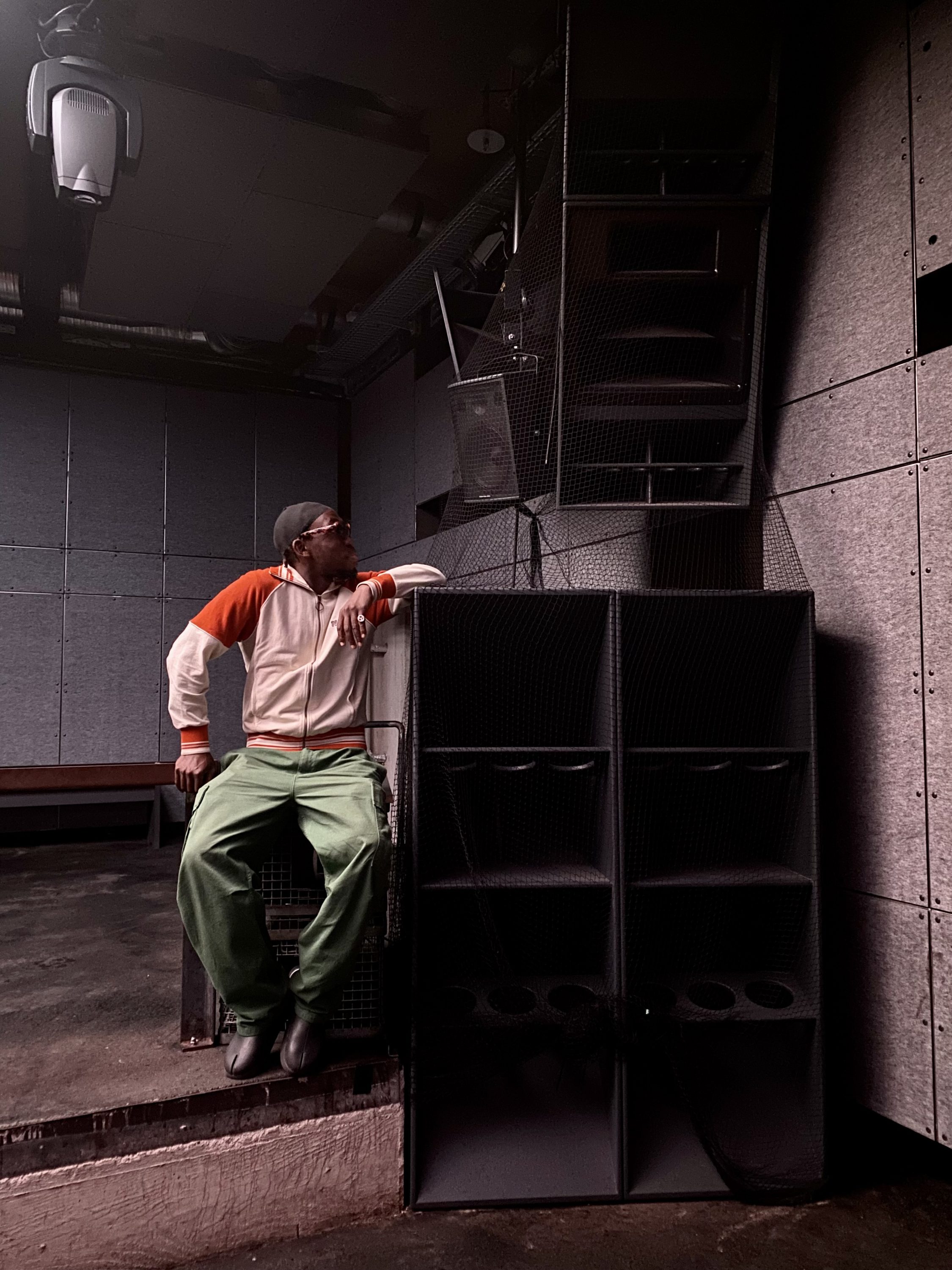
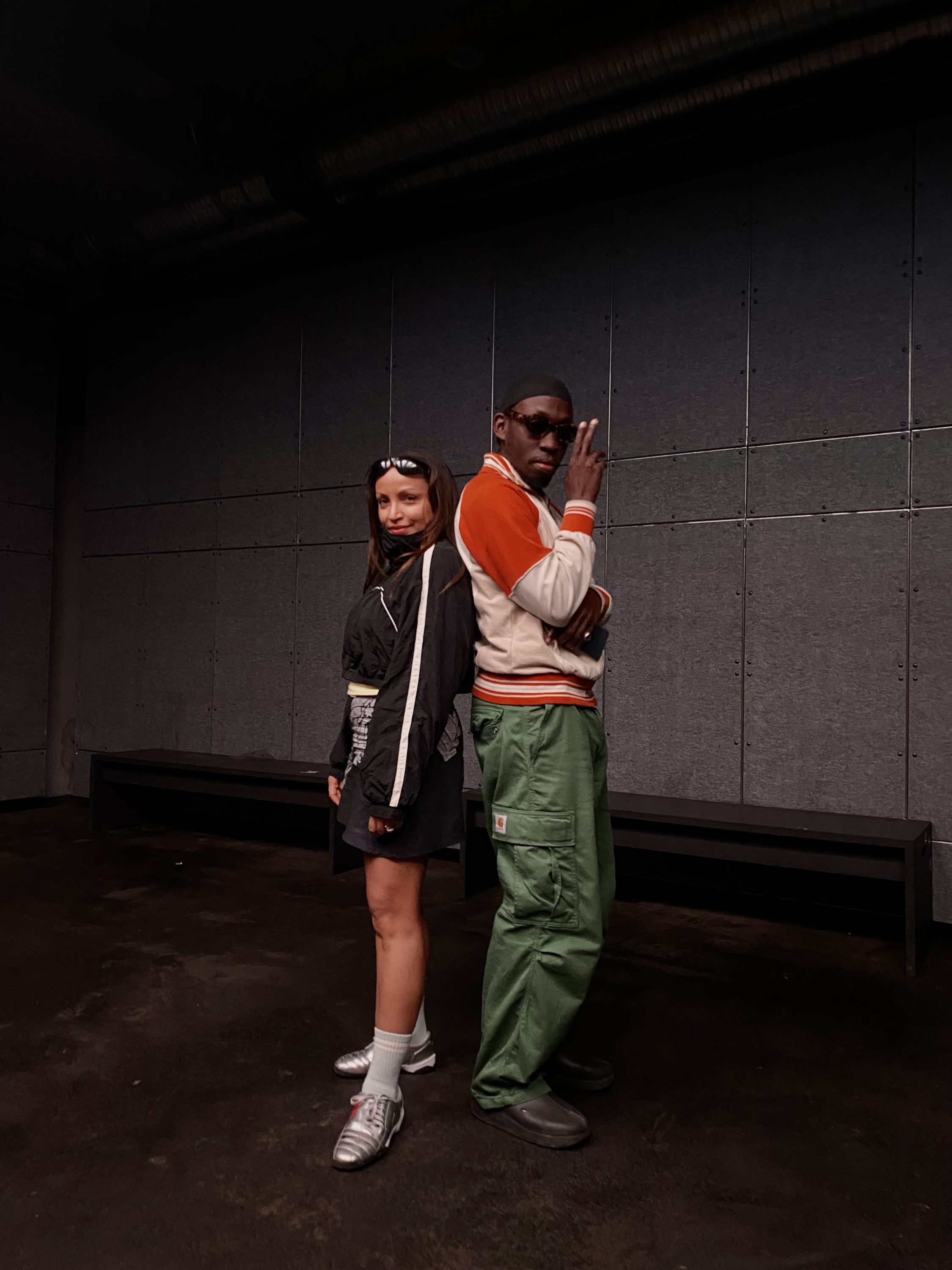
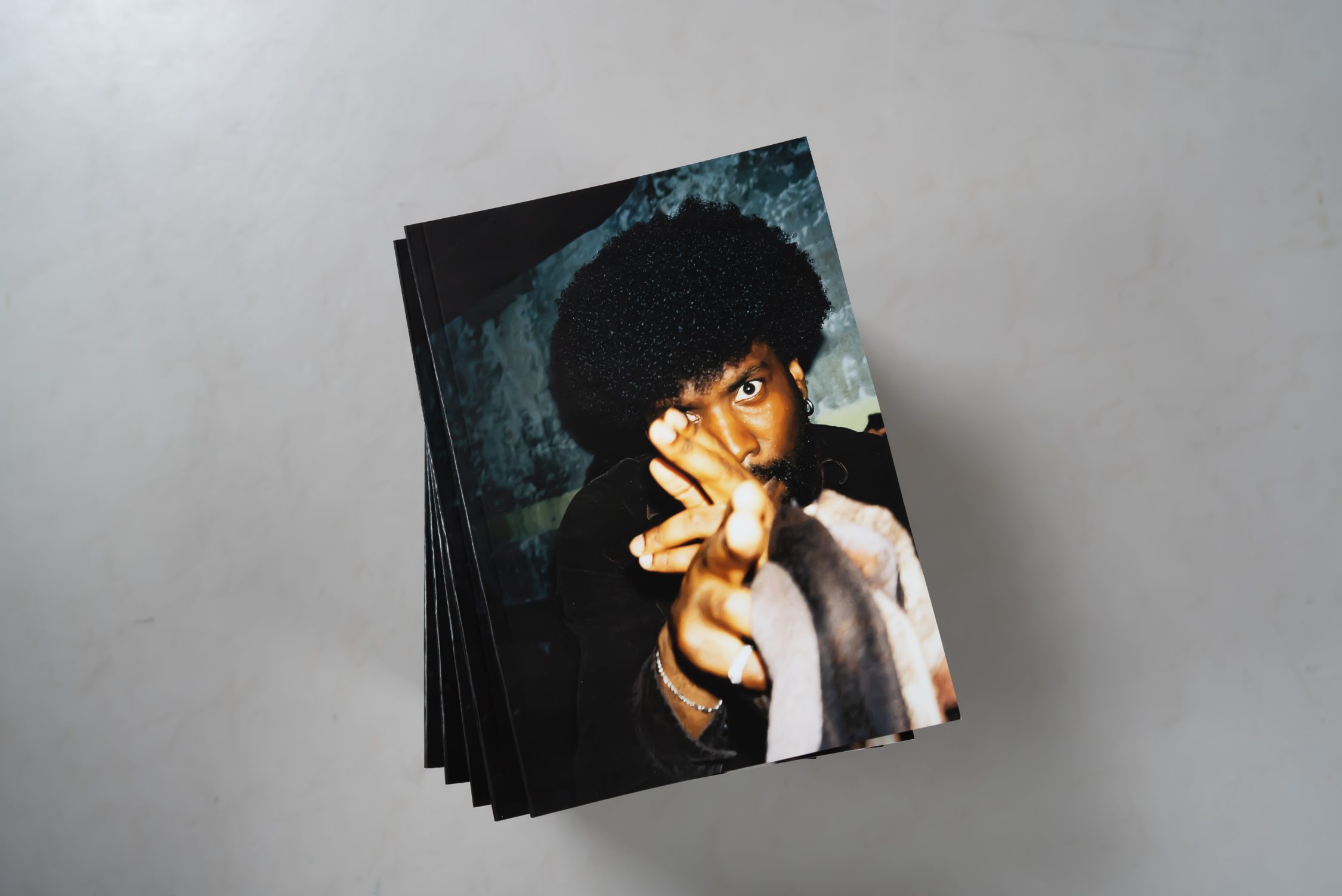
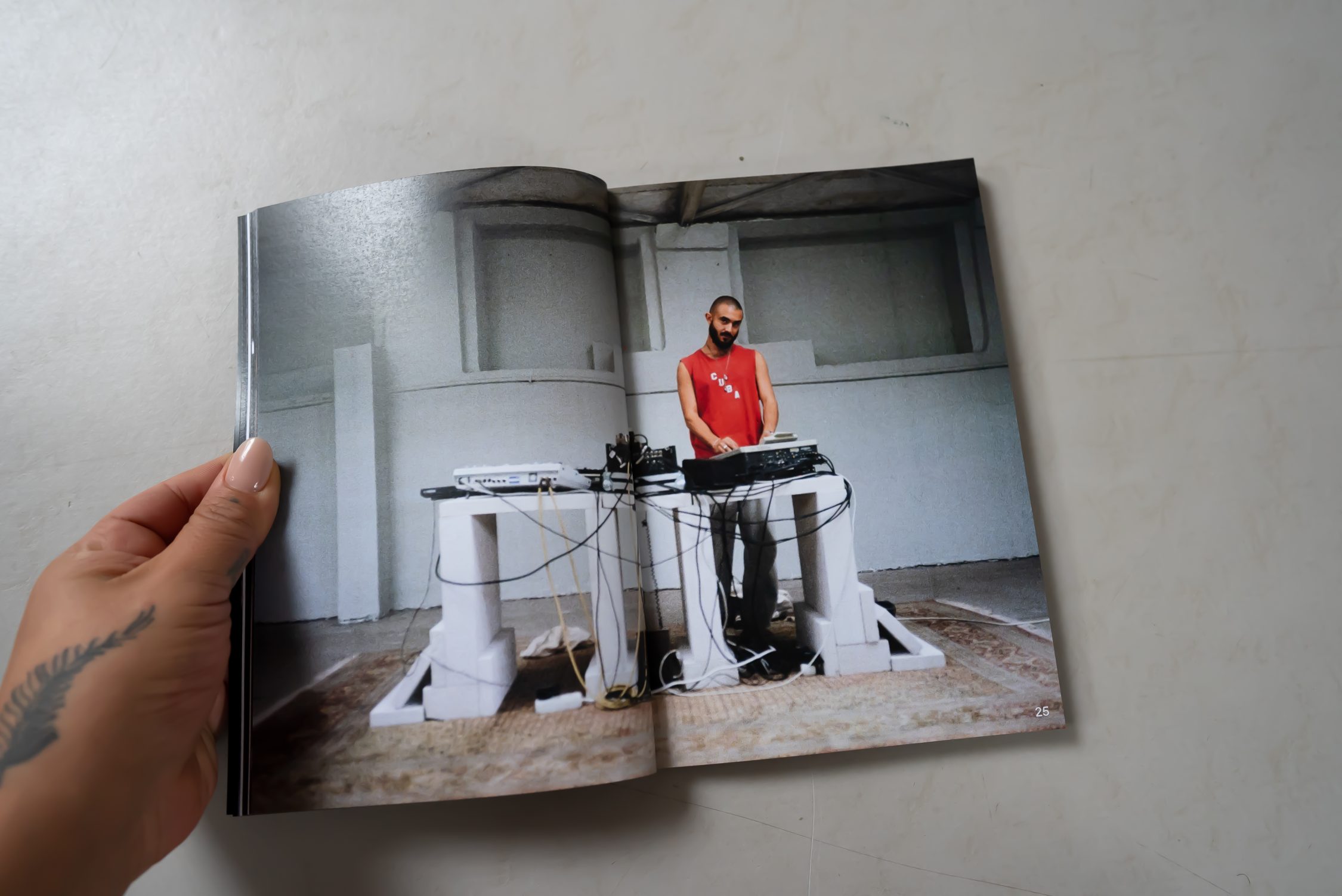
Documentation is integral to this practice. The Heavy Feelings photo magazine assembles three years of work by photographers from within the collective, forming an archive of events, behind-the-scenes processes, creative productions, studio moments, and informal encounters.
The publication functions as both archive and manifesto, articulating a method through accumulation rather than explanation. Its visual language follows the principle of form follows function, with design decisions emerging from the needs of the practice itself rather than external stylistic trends. Documentation becomes a tool for memory, accountability, and historical grounding.
Heavy Feelings continues as an evolving ecosystem shaped through practice, return, and shared responsibility. Staying independent allows the work to remain grounded in real relationships rather than external demands. The people involved are not an audience or a resource, but active parts of the practice, shaping direction and meaning through their presence. What exists has been built in lived encounters.
At the same time, Heavy Feelings remains in dialogue with its moment. Even as it operates publicly, it reflects inwardly, questioning how to act responsibly, how to hold integrity under pressure, and how to continue without losing connection to the people and values that define it. Moving forward means staying close and allowing identity to keep forming through shared experience rather than projection.